

In most years, today would be World Piano Day (the 88th day of the year), but because this year is a leap year, yesterday was World Piano Day. Why am I talking about pianos in a blog about luxury selling? Because it’s about practice.
I’ve recently returned to playing the piano and have begun to really appreciate the importance and value of practice. What I’m learning through this experience is that just because you know something, doesn’t mean you are comfortable doing it, or that you can do it with grace and elegance. I may be able to play an etude or sonata, but performing it with ease and confidence in front of a group of people is an entirely different matter.
I started taking piano lessons again last year. Each week I meet with my piano coach, and each week he evaluates my playing, gives encouragement, and offers suggestions for improvement. But how far would I get if I just went to my lesson every week without doing anything in between? How much progress would I make without practice?
That’s the point of practice – to do something enough times so that we feel comfortable doing it in all circumstances. Then we keep doing it until we can do it with grace and elegance. Can I play Chopin’s Nocturne in C# minor now? Soft of. Can I do it with the grace and elegance it deserves? Not yet. I need more practice.
When you come down to it, selling skills are not exactly rocket science. They may not even be as difficult as learning to play the piano. Most of selling simply comes down to common sense; some of the skills may even seem natural to you. You may have attended luxury selling skills training or have a sales manager who provides regular feedback. But what are you doing to continually practice the skills you’ve learned or to act on the feedback you received?
There are two critical components to practice. The first is self-reflection – honestly evaluating your own performance. I’m not talking about being self-critical. Self-reflection involves looking at how you did something, and then asking yourself how you can do it better. The second component is how you receive feedback. Regular feedback from your sales manager is fantastic, but who else are you requesting feedback from? Are you asking your peers, or even your clients, how you can improve your service? What are you doing with the feedback you receive? Are you being defensive and discounting the feedback, or are you thinking about what you need to change, and then creating an action plan for improvement? Practice will not be valuable if you only do it before your next performance review, or even every week. Practice is something that should be done every day.
Will I ever reach a point where I won’t have to practice the Chopin Nocturne? No, because I can always play it better. As they say, “There’s always room for improvement.”
So here’s your action plan to reach a level of grace and elegance in all your customer interactions:
Starting tomorrow, take a few minutes after your customer or client has left to think about what you could have done differently, how could you have said it better, and what can you improve for next time? Then do it again the next day. Repeat.



 One of the most difficult challenges in training luxury sales associates, is that they feel disconnected to the customer. They don’t live the “high class” lifestyle they believe their customers revel in. They could never imagine themselves paying so much money for a “frivolous” item. They may even decide a certain customer would never be interested in a high-end brand based simply on how that customer is dressed or what car he or she is driving.
 C’est impossible! That’s what our hostess exclaimed when my husband and I showed up for breakfast at the hotel we’d booked in Strasbourg, France. She didn’t mean it was impossible to have breakfast, she meant it was impossible for my husband to be there. Yet, there he was – alive and well – and hungry.
 My husband and I just returned from an extraordinary vacation in Bali. It had been my lifelong dream to visit this enchanting island and experience its unique spiritual and artistic culture. If this were a travel blog, I’d share more about the activities, food and scenic wonders we enjoyed. But this is a blog devoted to luxury customer service. During my stay, I discovered the level of care and attention to detail the Balinese people delivered at even the most humble establishment, met or exceeded my definition of luxury service – and I wondered why.
 Philosophically this means your successes and failures are mostly products of your actions. If you think and act positively, you will succeed. If you think and act negatively, you will bring negativity upon yourself. Now let’s look at this from a customer service perspective. Karma says every action has an equal reaction either immediately or at some point in the future. How can an act produce an effect at a future time far removed from the act’s performance? Perhaps it’s as simple as thinking about cause and effect. Think about how easy it is to ruin a customer’s day. You need only greet someone with a scowl, make them wait, be abrupt, complain about your work, and not thank them for their business. The impact of your rude behavior may stay with them long after they’ve left your store. And the negative interaction certainly won’t make you feel any better.


 On a recent flight back from Boston, I re-watched one of my favorite TED Talks. Simon Sinek’s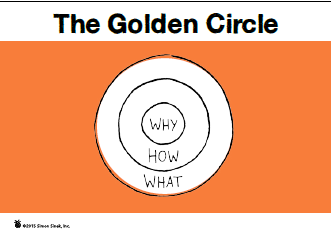
 luxsell.me