The Practice of Luxury Selling

In most years, today would be World Piano Day (the 88th day of the year), but because this year is a leap year, yesterday was World Piano Day. Why am I talking about pianos in a blog about luxury selling? Because it’s about practice.

I’ve recently returned to playing the piano and have begun to really appreciate the importance and value of practice. What I’m learning through this experience is that just because you know something, doesn’t mean you are comfortable doing it, or that you can do it with grace and elegance. I may be able to play an etude or sonata, but performing it with ease and confidence in front of a group of people is an entirely different matter.

I started taking piano lessons again last year. Each week I meet with my piano coach, and each week he evaluates my playing, gives encouragement, and offers suggestions for improvement. But how far would I get if I just went to my lesson every week without doing anything in between? How much progress would I make without practice?

That’s the point of practice – to do something enough times so that we feel comfortable doing it in all circumstances. Then we keep doing it until we can do it with grace and elegance. Can I play Chopin’s Nocturne in C# minor now? Soft of. Can I do it with the grace and elegance it deserves? Not yet. I need more practice.

When you come down to it, selling skills are not exactly rocket science. They may not even be as difficult as learning to play the piano. Most of selling simply comes down to common sense; some of the skills may even seem natural to you. You may have attended luxury selling skills training or have a sales manager who provides regular feedback. But what are you doing to continually practice the skills you’ve learned or to act on the feedback you received?

There are two critical components to practice. The first is self-reflection – honestly evaluating your own performance. I’m not talking about being self-critical. Self-reflection involves looking at how you did something, and then asking yourself how you can do it better. The second component is how you receive feedback. Regular feedback from your sales manager is fantastic, but who else are you requesting feedback from? Are you asking your peers, or even your clients, how you can improve your service? What are you doing with the feedback you receive? Are you being defensive and discounting the feedback, or are you thinking about what you need to change, and then creating an action plan for improvement? Practice will not be valuable if you only do it before your next performance review, or even every week. Practice is something that should be done every day.

Will I ever reach a point where I won’t have to practice the Chopin Nocturne? No, because I can always play it better. As they say, “There’s always room for improvement.”

So here’s your action plan to reach a level of grace and elegance in all your customer interactions:

Starting tomorrow, take a few minutes after your customer or client has left to think about what you could have done differently, how could you have said it better, and what can you improve for next time? Then do it again the next day. Repeat.  

The January Return Blues: Turning Returns into Opportunities

The word ‘return’ can make even the most seasoned sales associate quiver with fear. Yet the returning customer presents a golden opportunity for luxury associates to foster the customer relationship. Your mindset can play an important role in cultivating customer relationships. If you view “returns” as a hassle or something that causes you stress, then customers will sense your aggravation. But if you treat the return as an occasion to build and strengthen the connection you have to your customers, you will have laid the path for them to return again and again. Below are some tips to help you avoid the “January Return Blues.”

  • There’s a customer in front of you!
    Here’s your chance to distinguish yourself through your grace and elegance, and ensure the customer remembers you above all the other sales associates they’ve seen today. Being warm and welcoming when handing returns shows how much you value your customers. That in turn, will keep them coming back.
  • You now know what the customer doesn’t like!
    What a great opportunity you have to explore what your customer didn’t like about the gift and what they might fancy even more. Offer some suggestions on items that might they might find more appealing.
  • Suggest ways to make sure it doesn’t happen again!
    Offer options for sharing their “wish list” with a friend or loved one to ensure they receive the perfect gift next time.

Remember, it takes about nine times as much as to make a new customer, as it does to retain an old customer.  So to help you develop on positive perspective of the word ‘RETURN’, consider this acronym:

Readiness – Expertise – Trustworthiness – Understanding – Responsibility – Nurturing

Readiness – Be ready for your customers by preparing open-ended questions in advance to help you establish an emotional connection. Be prepared to take note of important dates, celebrations, preferences, and personal details. Ensure you are practiced on how to present your contact information to the customer gracefully.

Expertise – Be an expert on your product and services. Share what new items or features may be debuting that might be of interest your customer. Offer to be available to answer any questions or concerns they may have in the future.

Trustworthiness – How many times has a sales associate asked to you provide a phone number or email address without first establishing a level of trust? If you take the time to create an emotional connection, customers will be more likely to share their personal information. In addition, if you explain why you’re asking for contact information – for example, to keep them informed of new products, upcoming events, sales, etc. – you will provide an incentive for customers to share their data.

Understanding –  It’s not the number of questions you ask, but rather the kind of questions you ask that will help you build trust in your customer relationships. Asking open-ended and strategic questions will not only increase your warmth factor, you’ll also learn what your customers like and what features are most important to them. This earlier post will help you learn what questions to ask: “Good Salespeople Have Great Answers, but Great Salespeople Have Great Questions.”

Responsibility – As a luxury associate, you are responsible for cultivating the client relationship. Consider all the reasons you may have to reconnect with a customer once you’ve made the sale: a handwritten thank you note, a follow-up call to make sure everything is working, a check-in to ensure the gift was delivered, a service reminder, or an invitation to an event.  Additionally, clienteling software can help remind you of upcoming service appointments, special dates, and what’s on customers’ wish lists.

Nurturing – Any relationship requires nurturing and attention in order to grow. Luxury associates need to demonstrate genuine care and concern for their customers. Care needs to inform everything a luxury associate does: caring about the customer, caring about the customer’s needs, caring about the luxury experience, and caring about the presentation. Recently a Gartner Group study found 80 percent of your sales will come from just 20 percent of your existing customers. This is why it’s so important to continually nurture the customer relationship.

If you keep in mind that every return presents an opportunity for you to connect with a customer, you can turn January into your favorite time of year.

The January Return Blues: Turning Returns into Opportunities

The word ‘return’ can make even the most seasoned sales associate quiver with fear. Yet the returning customer presents a golden opportunity for luxury associates to foster the customer relationship. Your mindset can play an important role in cultivating customer relationships. If you view “returns” as a hassle or something that causes you stress, then customers will sense your aggravation. But if you treat the return as an occasion to build and strengthen the connection you have to your customers, you will have laid the path for them to return again and again. Below are some tips to help you avoid the “January Return Blues.”

Continue reading “The January Return Blues: Turning Returns into Opportunities”

Choice Words: How to Speak to the Luxury Customer

??????????????????????????????????????????????????????????????????????????????????????????????????????????????????????????????????????????

It’s been said that women fall in love with their ears and men with their eyes. I studied music and have an ear for languages. So perhaps this is why I’m particularly attuned to the words I hear, especially when those words are delivered as part of a luxury customer experience.

 Everything about the luxury  experience—the colors, aromas, sounds, and language—must work together to create the complete luxury aesthetic. If any element does not align, the messaging becomes muddled. Luxury brands spend large sums to ensure the boutique lighting is just right, the appointments are lavish, and the marketing images tell the brand story; yet they sometimes fail to make sure their sales associates’ language consistently conveys the tone of the brand.

To understand the powerful relationship between vocabulary and brand, I perused several well-known luxury websites and selected some choice words. Read through the following lists and listen to how each word resonates with the brand message:

CHANEL: couturier, glorifies, exhilarating, precious, extravagant, richness, exalts, accentuates, mysterious, magical, eternal. spell, elegance, trumps, illuminates,  decoration, classic, elegance, shines, triumphs, signature, surprising, unexpected, fresh, impeccable, flawless, conjures, whimsical, fearless, sexy and timeless

PATEK PHILLIPE: unfaltering, rare, expertise, elegant, savoir faire, rich, timeless, stylish, pride, enduring, unparalleled, prestige, connoisseurs, perfection, undisputed supremacy, excellence, trustworthiness, ingenuity, passion, noble, pioneering, finest, investment, reputation, sentimental, treasured,  discretion, aristocratic, tradition

ROLLS-ROYCE: best in the world, illustrious, powerful, pedigreed, commanding, unforgettable, authority, striking, unrivalled, supple, graceful, ultimate, palatial, exquisite, bespoke, precise, refinement, embrace, sleek, grand, sublime

If I had separated the brand names from their respective vocabularies, would you have been able to guess which brand name corresponded to which wording?

Language can be evocative and seductive. The perfect word can conjure an image, arouse an emotion or spark a memory.  By taking the time to polish and refine your luxury vocabulary, you can complete the luxury brand experience for your customer. Click on the Luxury Lexicon link here or on the menu above to access a list of words to get you started. Be sure to read your brand’s marketing materials, advertisements, and social media posts. Capture those words you feel exemplify your brand and incorporate them into your customer dialogues. Open your ears to the words you, yourself, hear as a customer and adopt those that please you. I invite you to share your own favorite luxury words in the Comments section below. Selected entries will be added to the Luxury Lexicon.

Luxury Associates Need to Become Luxury Curators

Curator

I recently returned from the largest international conference for professionals in the field of learning and development sponsored by the Association for Talent Development (ATD). Nearly 11,000 attendees from over 80 countries attended 300 concurrent sessions in Denver, Colorado. The exhibition hall boasted more than 400 leading training services providers. As I wandered the aisles of learning content vendors, one word repeatedly caught my attention—curated.

‘Curate’ is not a new word. Its root goes back to the Latin curare, which means to care. The first known use of the word ‘curator’ as someone who is in charge of a museum or art gallery collection dates back to 1561. The word has evolved over the centuries and today Dictionary.com defines ‘curate’ as “to pull together, sift through, and select for presentation, as music or website content.”

Content curation is so omnipresent in consumers’ lives today that we barely notice it. Your shows on Netflix are curated based on your viewing history, Spotify tailors music selections specifically to your taste, most news services feed you content according to your specified preferences, and shopping services such as StitchFix will curate a personal wardrobe for you. Curation as a marketing and sales technique gained ground in 2011 with Steven Rosenbaum’s book Creation Nation.

I love the idea of turning luxury sales associates into luxury curators for two reasons. The first reason is the root of the word – to care. Care needs to inform everything a luxury associate does: caring about the customer, caring about the customer’s needs, caring about the luxury experience, and caring about the presentation. The second reason is the idea that the curated experience is a personalized experience for the luxury consumer. Today’s luxury customers seek experiences that are customized to their personal preferences, that are exceptional, and that they can share and remember. Recently, Saks Fifth Avenue launched a service through which associates are available 24/7 to curate personalized virtual boutiques for individual customers. But curation isn’t just about technology. As Milton Pedraza, CEO of the Luxury Institute says, “Technology today presents an immense opportunity for targeting potential customers, but it is ultimately the intimate humanistic relationships that sales professionals form with customers that keep them coming back.”  It is the luxury sales associate who holds the key to building those connections.

What do luxury sales associates need to do in order to become luxury curators? To find some answers I searched “How to curate?” and found some great tips on Coschedule.com. Coschedule is a marketing calendaring service whose tips are specific to how to curate online content. I’ve borrowed the heading for each tip and turned each into a suggestion for sales associates who are looking to create a curated luxury experience for their clients:

  • Provide your take on things – Add your own personal touch. To paraphrase Coschedule, provide every piece with context. You should always surround the piece with your views, knowledge, and insight. Share a story about your brand’s heritage or an intimate detail about the craftsmanship.
  • Don’t make it all about you – Remember your customers have different preferences than you. Research and understand the lifestyles of your luxury customers. Read luxury travel and style magazines, subscribe to luxury blogs, and know your competition.
  • Answer your audience’s common questions – Be knowledgeable about your brand, your services, distinguishing product characteristics, shipping and return policies, corporate responsibility programs, etc. Common questions may also include concierge-type recommendations on where to eat, shop or find local attractions.
  • Be very, very selective – Rather than rattling off a list of features, share two or three benefits (a personalized statement of value) you believe best meet your customer’s needs. To turn a feature into a benefit, think of the customer asking “Why is this important to this me?”
  • Take advantage of in-house expertise – Observe your co-workers. How are they interacting with customers? What can you learn from them? Be open to asking for feedback. Ask your manager to observe you and provide suggestions on how you can improve. If you don’t know the answer to a question, make sure you find someone who does.
  • Don’t forget your CTA’s (Calls to Action) – Your relationship to the customer doesn’t end when he or she walks out the door. Think about how you can proactively reach out to customers to grow the relationship by building upon additional needs. A hand-written thank you note is always welcome. You may want to invite them to an upcoming event, alert them to a new item, or just check in to see how they’re enjoying their purchase.

If you view your role as a curator rather than a sales person, you will provide the level of care and personalization necessary to turn every customer interaction into an extraordinary luxury experience.


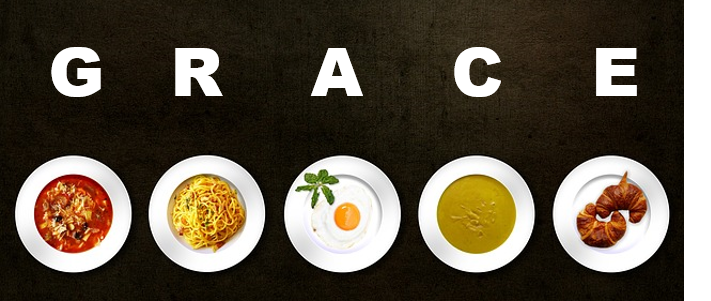
GRACE: The Perfect Recipe for Luxury Customer Service

GRACEDaniel Humm is the chef and owner for the Michelin three-star restaurant Eleven Madison Park and The NoMad in New York City. He’s also the recipient of six James Beard Awards, four stars from the New York Times and the S. Pellegrino Chef’s Choice 2015 award. Mr. Humm was recently interviewed by New York Magazine and asked how me keeps his team motivated. He replied:

We treat every service as if it’s the only one that matters, the same way a sports team prepares for a championship match. Everything we do is done with intention and the desire to make the guest’s experience the best it can be.

Continue reading “GRACE: The Perfect Recipe for Luxury Customer Service”

Should We Try to Exceed Customer Expectations?

Happy CustomerYesterday someone told me there’s no point in trying to exceed customer expectations, because once you do, the bar is raised and the exception becomes the norm. It creates a never ending spiral upward. All I can say, is “poppycock” (yes, people used to say “poppycock,” probably the same folks who used to say “balderdash”). Anyway, you get my point. Continue reading “Should We Try to Exceed Customer Expectations?”

The Value of Luxury

auction-paddle-2Luxury has been defined as something that is pleasant to have or experience, but is not a necessity. The concepts of exclusivity and rarity can also factor into the definition of luxury. Value, on the other hand, is determined by the relation of price to perceived benefit. But if luxury is not a necessity, then how do we determine its value? Continue reading “The Value of Luxury”

“What’s it to you?” – Igniting Customer Desire

matchWhat’s it to me? Everything! If you can’t articulate why your product or service is important to me, you’ll likely not win me as a customer. Very often sales associates try to differentiate themselves by becoming subject matter experts. They then overwhelm potential clients with a litany of facts and product features with no regard for what’s actually important to the customer. In other words, what is the benefit to the customer?

Being able to distinguish between a feature (a statement of value) and a benefit (a personalized statement of value) is the key to igniting customer desire. When purchasing a luxury service or product, it’s less about need than it is about desire—and desire is emotion based. That means in order to tie into the emotion that will create desire, you need to position not only the value of your product or service, but its value to your customer. Continue reading ““What’s it to you?” – Igniting Customer Desire”