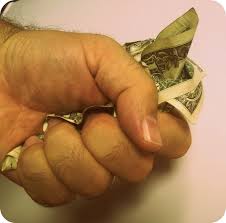
 Unfortunately, the curtailment of expectations around services and products has become de rigueur. We suffer cramped seats on airplines, poor service from our cable providers, and smaller containers of juice (have your noticed your half-gallon of orange juice is now only 59 ounces?). But when stinginess hits the luxury sector, it’s an even more egregious offense. That’s because we expect the luxury experience to be delightful, and when it makes us feel we’re being nickled and dimed, it’s no longer a true luxury experience.
I’ve encountered this phenomenon in several instances: when I had the battery of a very expensive watch replaced and it had to be sent to the customer care center, I was charged an additional $35 to ship the watch back to my home rather than back to the store. It cost the company no more to have the watch shipped to my home, so the $35 charge was an obvious ploy to get me back into the store. Another example occurred with a recent stay at a Hyatt hotel. My bathroom amenities included soap, shampoo and conditioner, but no lotion. Thinking this was a mere oversight, I called down to the front desk and was instructed that indeed, no mistake had been made, but if I wanted lotion, I could come down to the front desk and get it myself.
That’s why I was disappointed, but not nonplussed, to read about Jeremy M. Peter’s recent trip to Hawaii in the NY Times. Though Jeremy and his partner frequented local, unpretentious accommodations through most of the trip, they decided to spend their last few nights on the Big Island splurging on a $1300/night room at the Four Seasons at Hualalai.
Though his room was elegantly appointed in dark woods with a gabled ceiling and within steps of the beach, the hotel’s service level matched neither the décor nor the surroundings. I’ll let Jeremy take the story from here:
There were little annoying disclaimers warning us that we would be charged a $30-per-person fee if we did not show up for our dinner reservation. If we wanted faster Wi-Fi in our room, that would cost us an extra $25…When we went to the Tranquility Pool, which is off-limits to anyone under 21, staff members acted as if they were doing us a favor by finding us a pair of empty chairs. “We’re really busy” were the first words out of the attendant’s mouth — much to our amazement since we looked around and saw ample room to add a couple of chairs and even a few scattered empty ones. My tranquillity was quickly dissipating.
The bartender could barely be bothered to make eye contact with the patrons. And he displayed a little sign at all times — “Hours 11 to 5” — that read like an admonishment not to dare ask for a drink if it was too close to 5 o’clock. And sure enough, at just a few minutes to 5 on both days we were there, he moved the sign over to the front of the bar to ward off any pesky, thirsty violators of his last-call diktat.
Every part of the luxury experience — from the first greeting, to the exquisite craftsmanship or exceptional service — should be about creating a delightful and memorable experience. But when the service standard does not match the level of luxury implied by the décor and price tag, the luxury customer is left feeling duped. The impression one comes away with is not of enchantment, but of overall disappointment.

 I recently spoke about luxury sales and customer service at a special event hosted by Quintessentially Lifestyle in Panama City, Panama. Quintessentially offers its members curated luxury lifestyle services and experiences around the globe. The event took place at the elegant Waldorf Astoria Panama Hotel and was sponsored by Mercedes-Benz, L’Oreal, Johnnie Walker Blue Label and Multiplaza Pacific Mall. Attendees included business owners and luxury associates from the hospitality, retail, banking, real estate and media sectors.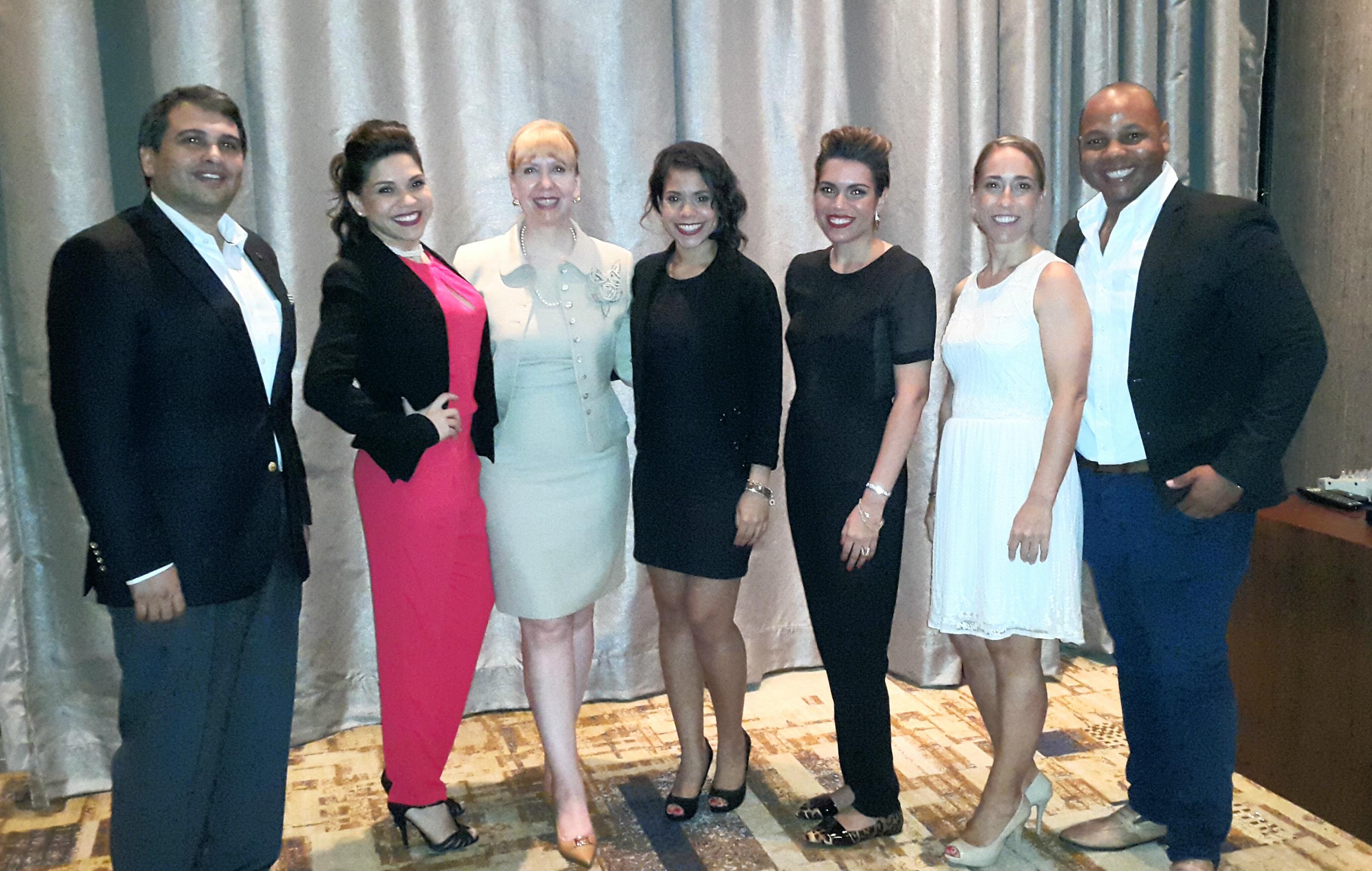




 luxsell.me